Skip to content
For museums, cities and tourism organisations

Your visitor reads your route in their own language. On their own phone.

A QR code at the entrance or a link in the ticket email. The visitor picks a language once and everything after that is in that language. No devices to hand out, no app to download. The institution sees who came, in which language, and how far along the route they got.

  • Polski
  • English
  • Deutsch
  • Français
  • Español
  • Italiano
  • Português
  • Русский

Sample screens. The route carries the name and colours of the institution, not ours.

994museums in Poland in 2025
46.2 mmuseum visits in a single year. A record.
8route languages from day one
0devices to charge, hand out and disinfect
Who it is for

Three institutions, three different reasons.

A museum has content no foreign visitor can read. A city has the texts but no numbers. A region has the photographs and a reason to want people to come.

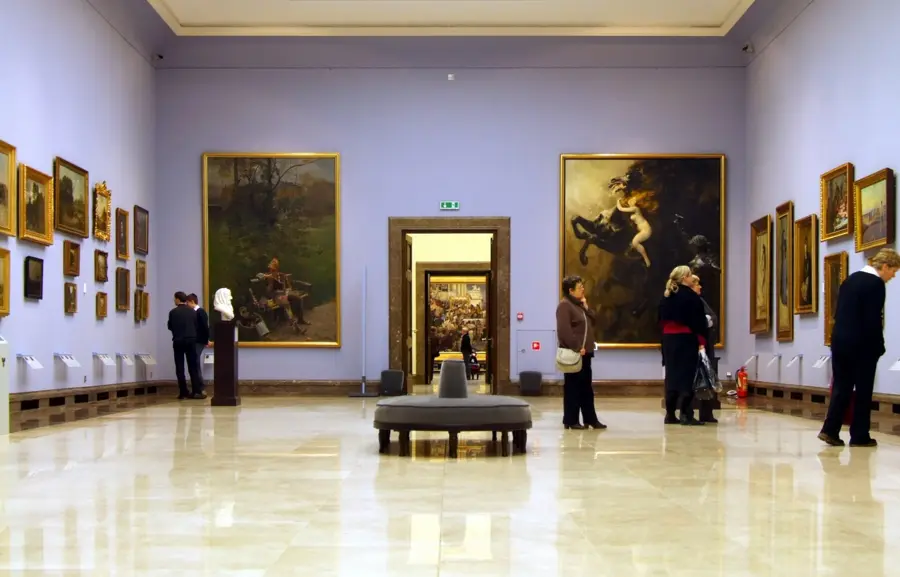
A room of paintings in a museum gallery
Gallery of 19th-Century Polish Art, Cloth Hall, Kraków

Museum

The labels are in Polish. A visitor from Germany understands none of it.

  • room and label texts in eight languages
  • the route as a ticket add-on, sold together with it
  • content protected from copying as far as a browser allows
  • downloads for rooms with no signal, chosen exhibit by exhibit
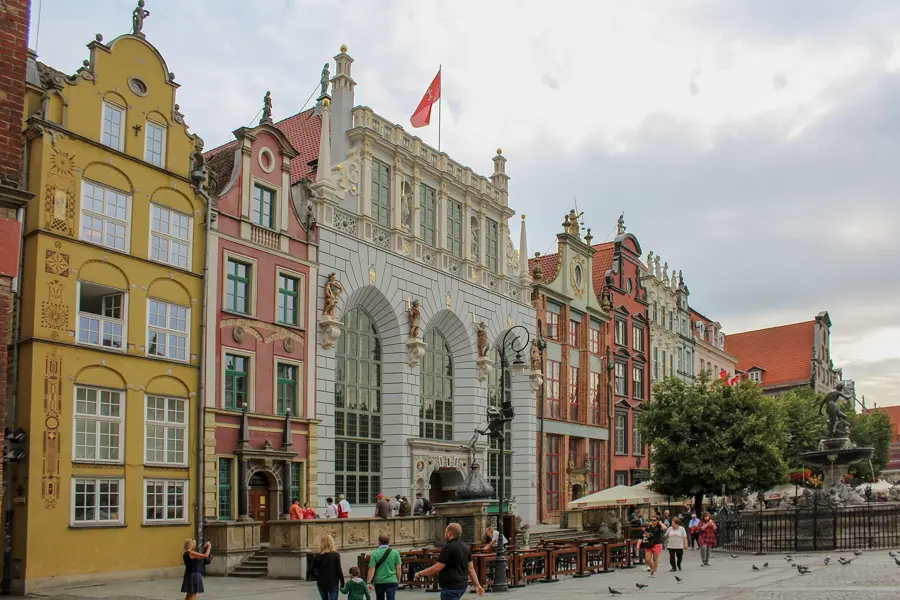
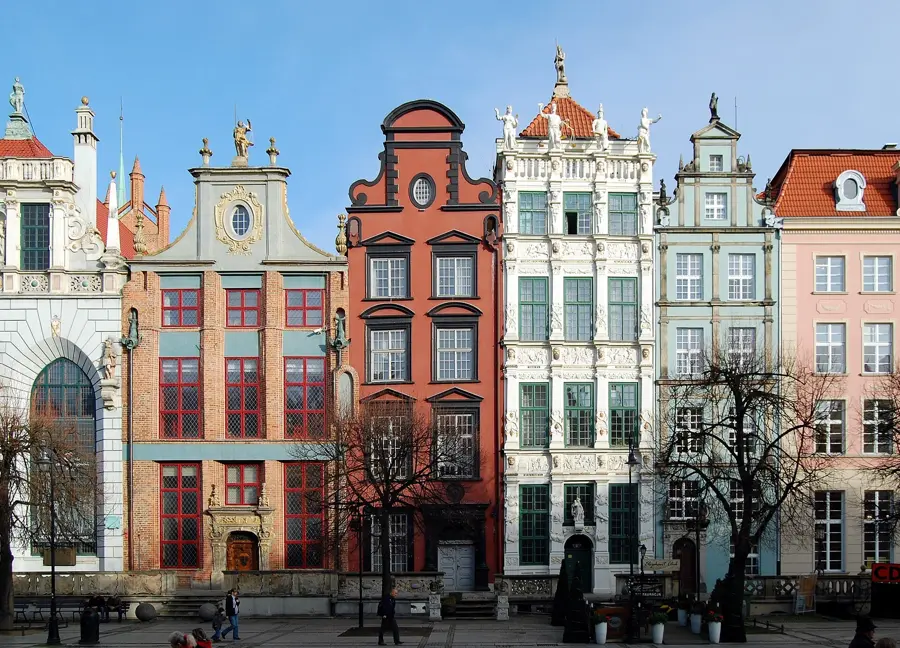
The coloured houses on the Long Market in Gdańsk
Long Market, Gdańsk

City

The website and the texts already exist. What is missing are the numbers for the report.

  • country, age bracket and group size of the visitors
  • which route, in which language, at what hour
  • which stop people reach and where they drop off
  • figures for reporting indicators in an EU-funded project
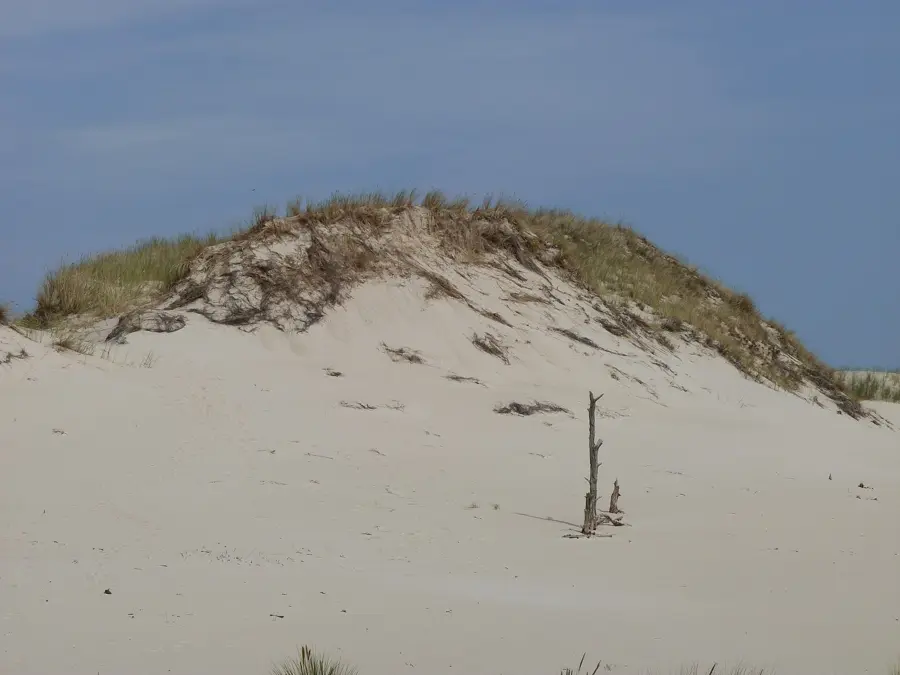
A dune in Słowiński National Park
Dunes, Słowiński National Park

Region, park, trail

Leaflets go out of date the day they are printed. And nobody knows who read them.

  • one QR code instead of a stack of leaflets
  • one language choice for every attraction in the region
  • a counter next to every entry
  • a text correction visible at once, with no reprint
How it works

You do not touch the ticket desk. You train nobody at the counter.

The route is an ordinary page in a phone browser. The visitor installs nothing.

1

You hand over the texts you already have

A Word file, text pasted from the clipboard or a web address. We split it into objects and stops.

2

The route is built in eight languages

Translations, the list of stops and the route diagram come together as one thing. A correction in one place changes the route at once.

3

The visitor scans and walks

A QR code on the paper ticket for walk-ins. A link in the ticket email for online sales.

Visitor statistics

Numbers a page-view counter cannot give you.

Every code belongs to one route and one place. You know how many people came, where from, in which language and which stop they reached. Enough for the report, and not one word more about any individual person.

A page-view counter

1200 views.

Route statistics

A couple from Spain, aged 27 to 35, four stops out of five, in Spanish, on a Tuesday.

Cities and museums

A market square, a castle, a gallery, a dune. Every place has its own route.

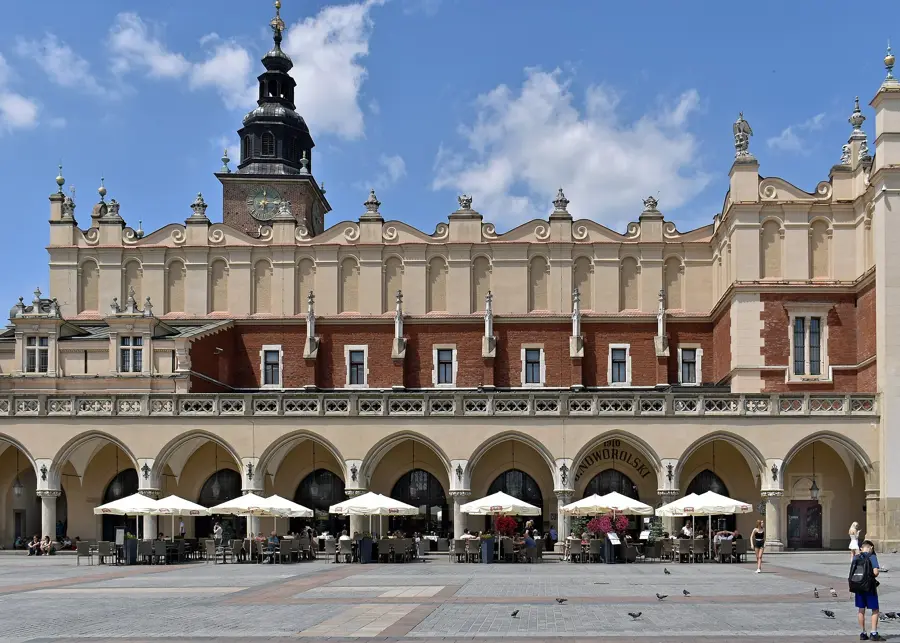
The Cloth Hall on the Main Square in Kraków
Kraków
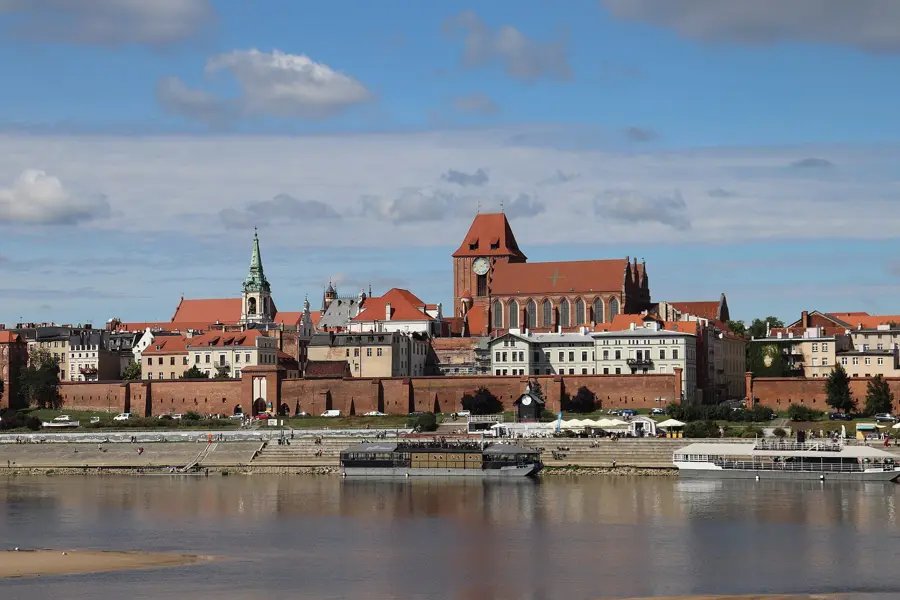
Toruń seen from across the Vistula
Toruń
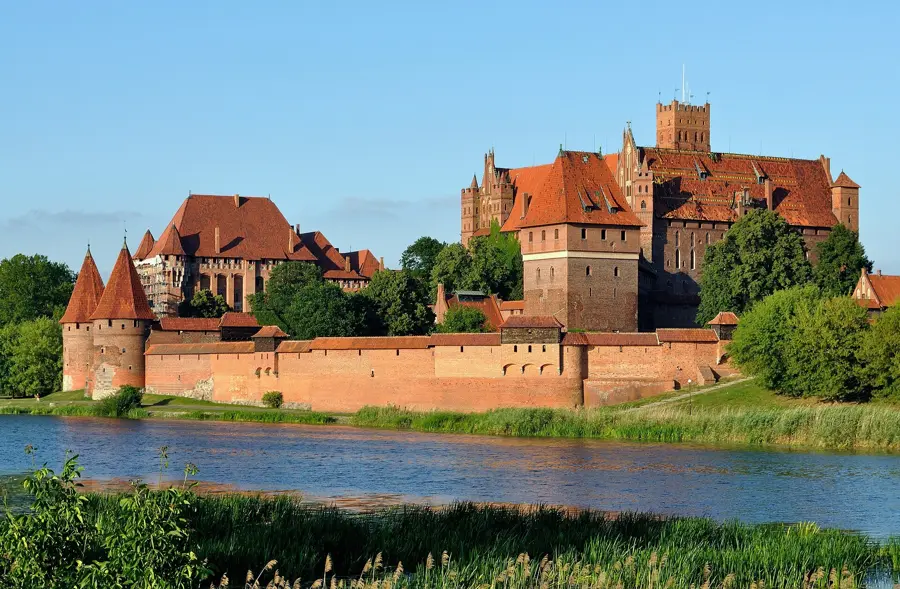
Malbork Castle on the Nogat
Malbork
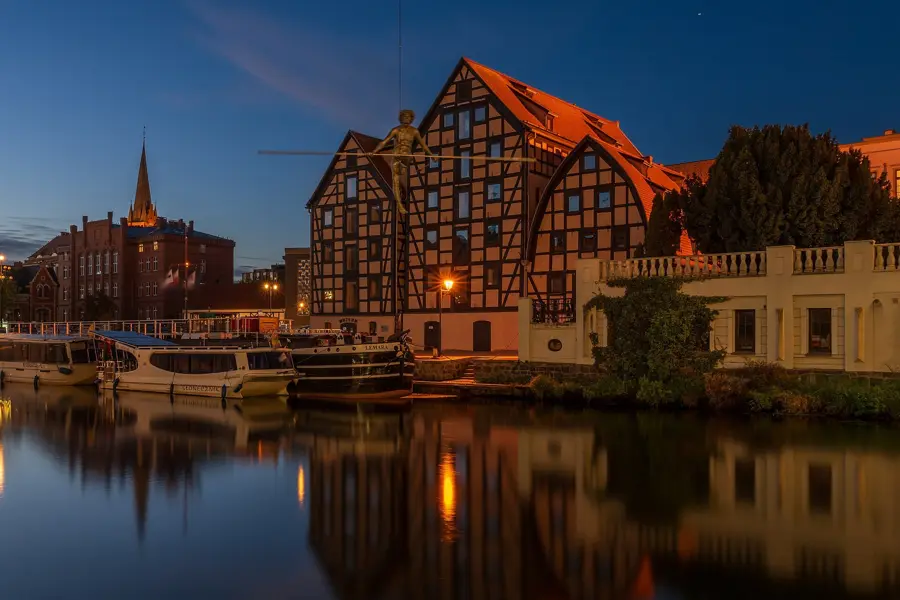
The granaries on the Brda in Bydgoszcz at dusk
Bydgoszcz
The Long Market and Artus Court in Gdańsk
Gdańsk
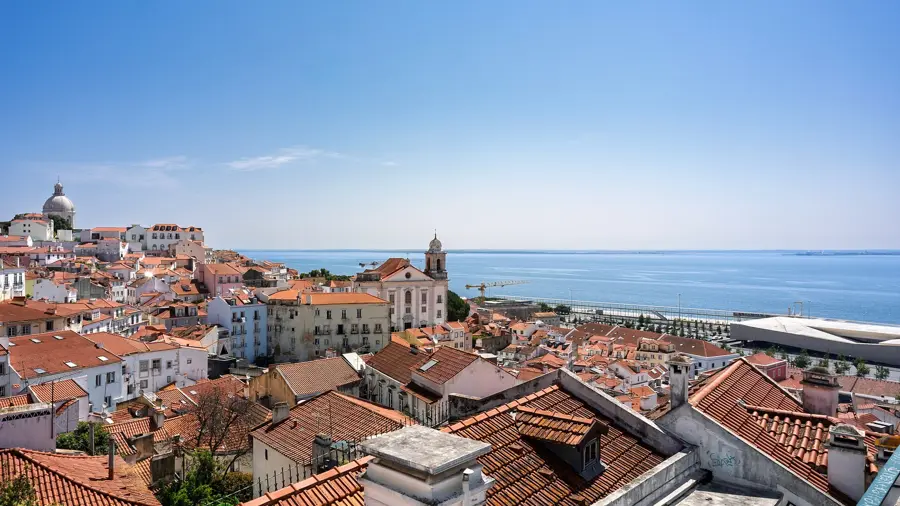
The rooftops of Alfama and the Tagus in Lisbon
Lisbon
Why no hardware

The year 2025 in three facts.

The rented-device model is breaking at the very top of the market. One fact says otherwise and we give that one too.

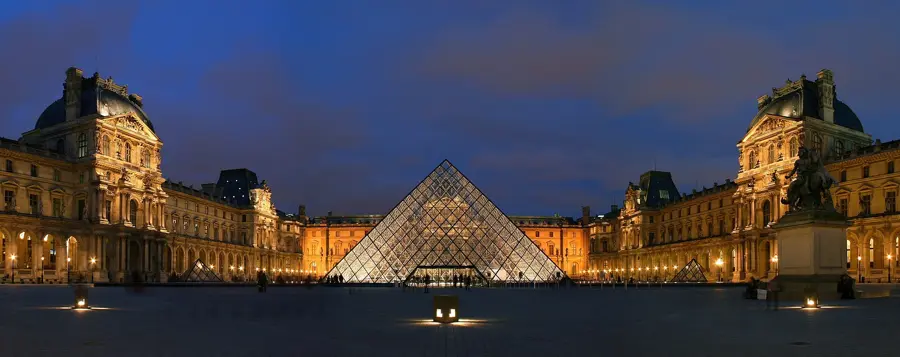
The Louvre courtyard with the pyramid at night
The Louvre, Paris
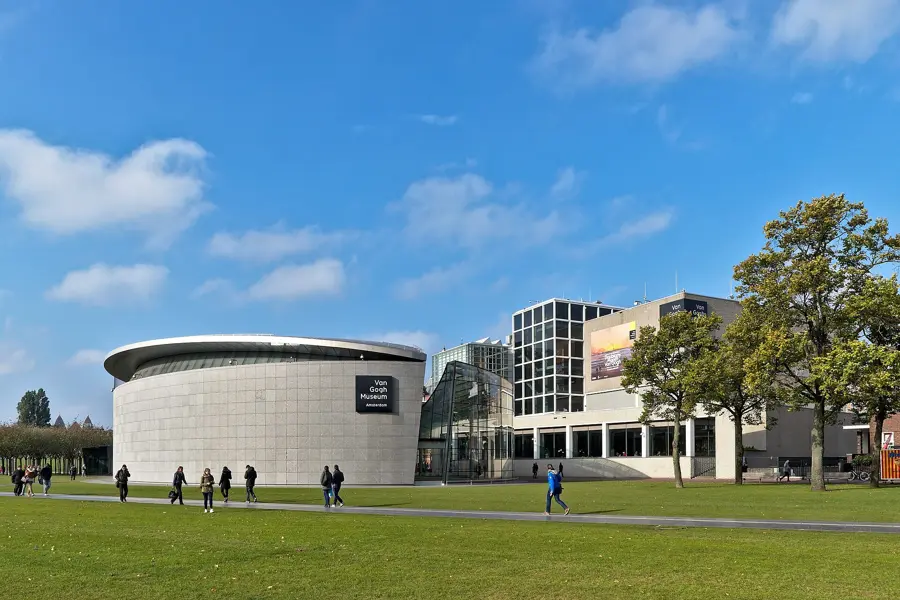
The Van Gogh Museum building in Amsterdam
Van Gogh Museum, Amsterdam
The Louvre, the most famous museum in the world, returned 5000 consoles.

Its audio guide ran on games consoles from 2012. In September 2025 it went back to the supplier.

Acoustiguide changed hands.

The oldest audio-guide brand in the world was sold after its previous owner ran into financial trouble.

The Van Gogh Museum invested in 1600 phones.

Samsung Galaxy S25+ on a three-year deal with the manufacturer. One of the most famous museums in the world can afford a fleet like that every three years. An ordinary museum cannot.

Elsewhere an eighteenth language is a budget decision. Here it is one more file.

There is no re-recording a whole fleet and no swapping memory cards in every device.

There is no charging, no disinfecting, no storage room and no replacement every two years.

And there is no post at a counter where the devices are handed out and taken back.
Checked, not guessed

What tourism on a phone looks like today.

Three examples from real tourism websites. Each one measured or read out of the page source.

9 of 15

pins point 38 km into a field

The official tourism site of a Polish seaside resort has a „See on map” button next to every attraction. For nine out of fifteen the pin sits in a field, almost forty kilometres from the town. The coordinates were read out of the page source and the distance calculated.

15 codes

seven websites, three domains

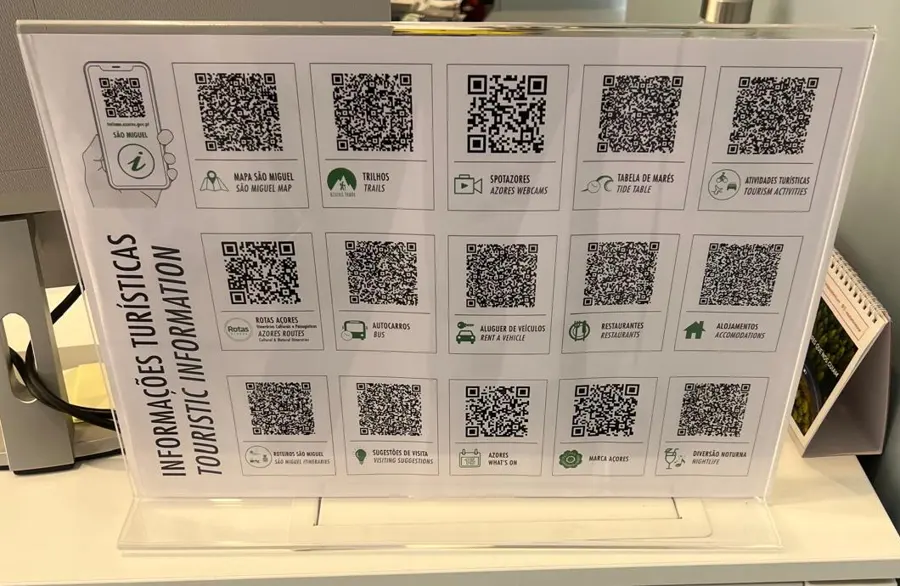
A tourist office in the Azores hands the visitor a single sheet with fifteen QR codes. They lead to seven different websites. The visitor picks a language fifteen times. Nobody knows how many times any one code was scanned.

0 lines

of code fitting the page to a phone screen

The trails site, the only one on that sheet people actually use while walking, has no line of code fitting the page to the width of a phone. Another blocks pinch zoom, which shuts out people with low vision.

One code

One QR code. The rest is in the phone.

The visitor scans one code and picks a language once. From then on every attraction speaks to them in that language. Every entry has a counter.

  • The code fits on a ticket, on the counter or on a business card.
  • You print no leaflets that go out of date the day they are printed.
  • You fix changed opening hours in the panel. The code stays the same.
  • You see which attractions people open and which they skip.
How it is in the Azores today A sheet with fifteen QR codes on the counter of the tourist office in Ponta Delgada, the Azores
  • fifteen codes on one sheet
  • fifteen language choices
  • no knowledge of the scans
How it could be
  • one code
  • one language choice
  • a counter at every attraction
Content protection

Your content stays yours.

No browser can block a screenshot and we will not pretend otherwise. What can be limited is what anyone does with it.

A second screenshot attempt ends the visit

The first one goes through. On the second the session closes. You switch this on yourself, it is off by default.

Access starts when the visit starts

The link in the ticket email does not work from the moment of purchase. It starts when the visit begins and the clock runs from then. One ticket opens the route on two phones, not two hundred.

Downloads to a phone: the museum decides

For a room with no signal you can allow chosen exhibits to be downloaded. The museum decides whether a given piece of content is valuable enough that it should not leave the building.

Nothing disappears from the database

There is no „delete” button. There is an archive. Every version of a text stays, together with who changed it and when.

The route can speak as well. One voice, in eight languages.

The recordings are read by someone who has guided visitors live in each of those eight languages. The same voice in Polish, in German and in Portuguese. No eight narrators and eight different temperaments on one route.

An option for the route
Accessibility

A public institution buys accessible things. We build that way too.

We design the route to WCAG 2.1 level AA, the standard required by the Polish digital accessibility act. This page follows the same rules.

  • Text enlarges by pinching and from the phone settings.
  • The page fits a phone screen with no sideways scrolling.
  • The contrast of text against background meets the standard.
  • A screen reader reads the content in route order.
  • Everything can be operated with the keyboard alone.
The institution panel

You change the content yourself. The route changes at once.

The institution gets its own panel with a login. All the route content sits there, each language separately.

Objects and routes

Every object has its own card. You build routes out of objects, in any order.

Each language on its own

The Polish text and its translations sit side by side. You can see which language is finished and which is still waiting.

You can import texts you have

From a Word file, from the clipboard or from a web address. The panel splits them into objects.

Roles in the team

Director, editor, translator and viewer. Each one sees and changes only what belongs to them.

Where the route lives

On your own website

The route opens at the institution address, as part of its own website.

urbanbook.net or scenerybook.net

A neutral address with no mark of ours. The route shows only the name and the colours of the institution.

A version for approval

Before the route goes out to visitors it sits behind a password. You look at it on your own phones and only then approve it.

Who is behind this

Built by someone who stood on the other side of the label.

15years travelling with groups
103countries
8languages

CityLogicROI came out of fifteen years travelling with groups. Out of museums and cities seen through the eyes of people who do not understand a word on the label. We know where a group stops listening, and why.

The eight languages of the product are eight languages we speak ourselves.

Questions

What directors and officials ask.

Does the visitor have to install anything?

No. The route opens in the phone browser after scanning the code or clicking the link in the email.

Does the ticketing system have to change?

No. You add the link to the ticket email and print the code on the paper ticket. The ticket desk works as before.

Which languages?

Polish, English, German, French, Spanish, Italian, Portuguese and Russian. One more language is one more translation, not a new project.

Who prepares the translations?

You choose between AI translation and a professional translator. Translations are paid for in advance. They come back for approval before publication and remain the property of the institution.

What about a room with no signal?

The museum can allow chosen exhibits to be downloaded beforehand. The museum decides which content may leave the building on a visitor phone.

Does the route have a map?

The route has a diagram of stops. Google Maps takes you to the point itself, with one tap. We do not build our own navigation, because Google does it better.

What does it cost?

It depends on the number of objects, the number of languages and whether the visitor pays for the route. We send the price list to institutions after a short conversation.
Demo route

See a finished route on your own phone.

Five stops in a seaside resort, eight languages, a route diagram and directions to every point.

We show it to institutions only. We send the link to a work address in the institution domain. That is how we check the mailbox exists and belongs to you.

  1. You give the institution website and a work email address.
  2. The link arrives at that address.
  3. The link opens the route on a phone and on a computer.

Does your website sit on a different domain than your email? Write to us through the form below.

Your data is used only to send the route link. Details in the Privacy Policy.

Contact

We send the price list to institutions, not to the internet.

Tell us what you want to show your visitors. We will build an example on one of your objects or one stop, so you can see it on your own phone before you decide anything.

Or straight tojoanna@citylogicroi.com

Your data is used only to answer this enquiry. Details in the Privacy Policy.